 Request a Sample
Request a Sample
Request a Sample
// Application 01 of 07
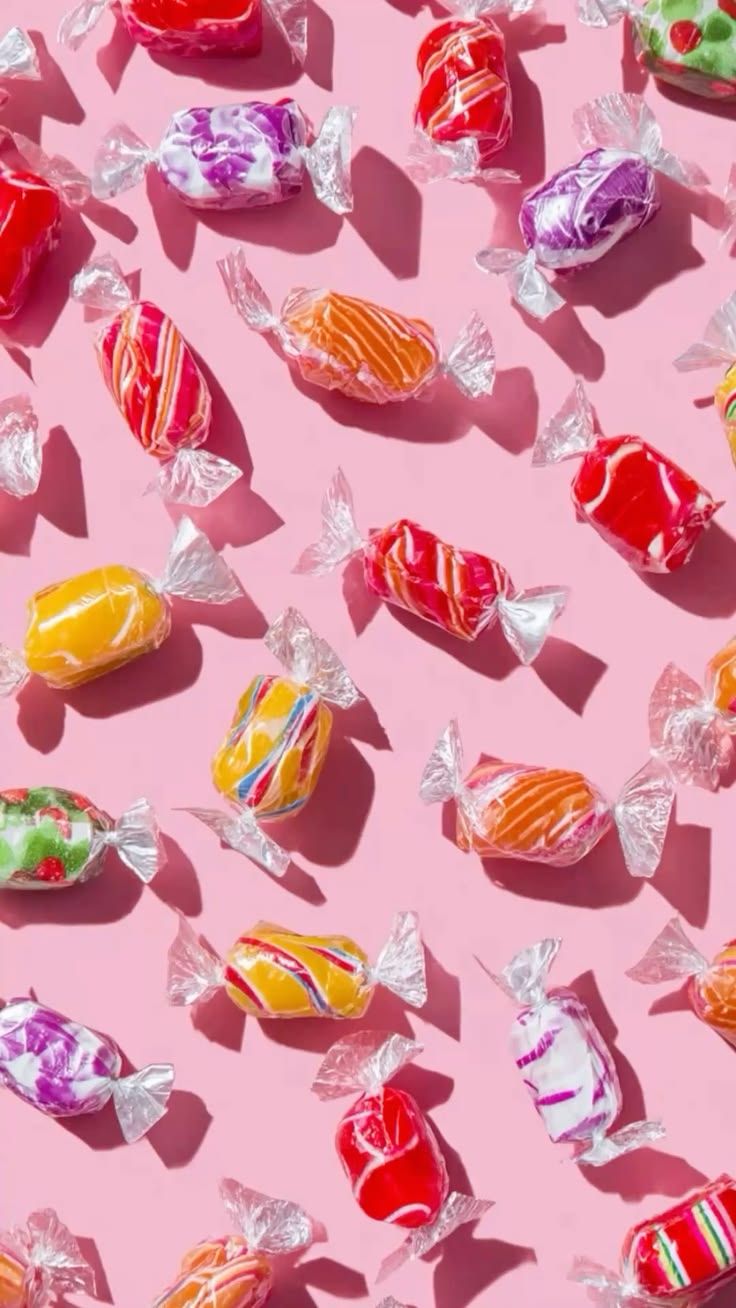
Sugar-free hard boiled sweets are the application NewTrend specifies isomalt for first. It cooks on standard kettles and depositors and stays stable when exposed to heat.
145 to 150 °C
melting point
GI 9
against sucrose at 65
2 kcal/g
half the load of sugar
// Why isomalt here
01
Made for hard-boiled candy
NewTrend specifies isomalt for sugar-free candy, especially hard-boiled candy, and for sugar sculpture. Stable under normal temperatures with a 24-month shelf life.
02
Heat-stable in the kettle
Isomalt is stable when exposed to heat, so colours read true and flavours stay clean. What you cast is what the customer sees.
03
Runs on your line
Same kettles, depositors and cooling tunnels as sucrose. Cook to 160 to 165 °C, deposit, demould. No new equipment.
// How it performs
Typical values for NT-ST-30 in this application. Batch COAs and full specification sheets ship with every sample.
Cook temperature
160 to 165 °C, final moisture below 1%
Sweetness
About 0.5 of sucrose; pair with a high-intensity sweetener for parity
Colour at cook-out
None. Add colours and flavours after cooking
Storage
Keep finished pieces in a dry, cool place in closed packs
Recommended grade
NT-ST-30 (30 mesh) for cooked candy; NT-ST-80 (80 mesh) for compressed mints
// Formulation notes
01
Dissolve in water at a ratio of roughly 1 part water to 4 parts isomalt, then boil under vacuum or at atmosphere to 160 to 165 °C.
02
Isomalt cools slower than sucrose. Allow around 20% more time in the cooling tunnel or lower the tunnel set point.
03
Add acids after cook-out. Isomalt is acid-stable, so sour coatings and citric centres hold without inversion.
04
For 100% sugar-free claims, pair with sucralose or stevia at 0.1 to 0.3% to match sucrose sweetness.